This New Electric Car Nearly Fills Its Battery In Under 9 Minutes
A look at the latest hyper-fast charging breakthroughs and what ultra-high voltage architecture means for the future of road trips.
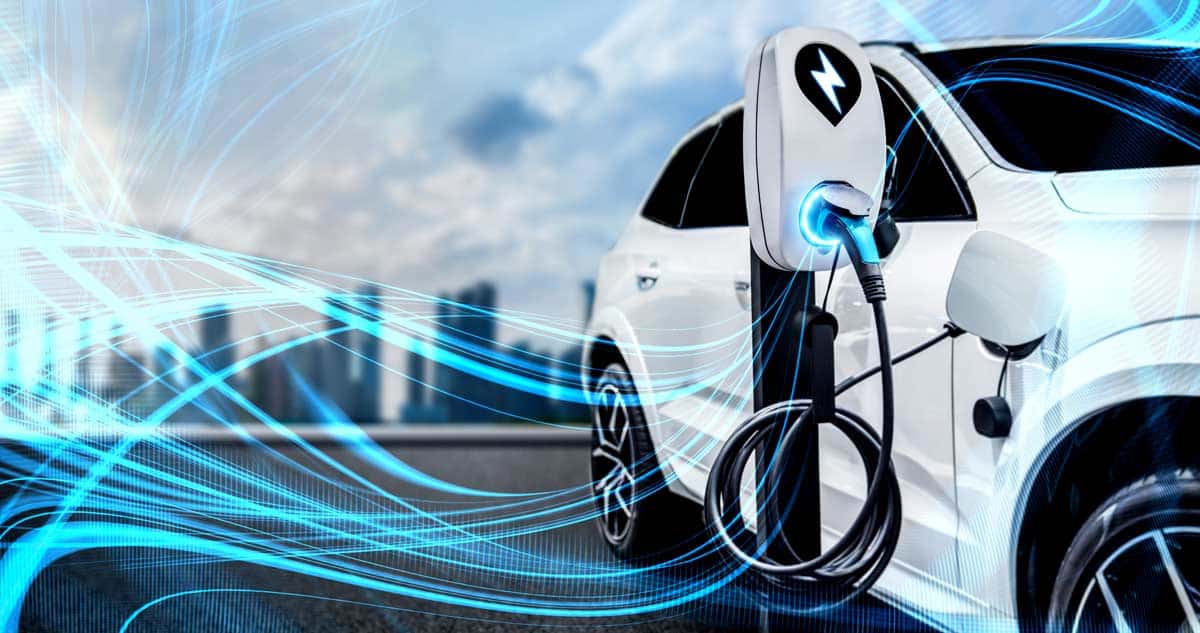
Range anxiety used to be the primary excuse for internal combustion purists, but charging times have quietly turned into the new battleground for EV makers. While spending thirty minutes plugged into a public DC fast charger used to be par for the course, the goalposts have shifted dramatically toward single-digit fill-up times.
A fresh wave of high-voltage battery architectures and thermal management systems are slashing fill-up windows down to durations that look suspiciously similar to pumping gas. Let us break down how these systems manage massive electrical loads without turning the battery pack into an expensive toasted marshmallow.
Inside the 800-Volt and 900-Volt Architecture Shift
For years, 400-volt charging systems dominated the market because they matched existing supply chains and motor controllers. Pushing more energy into the pack meant cranking up the amperage, which generates intense heat and requires thick, unwieldy copper cables.
By doubling the electrical architecture to 800 volts or higher, engineers can slash current while tripling total power output. This keeps cable weights manageable and slashes resistive heat losses during maximum output charging sessions.
Thermal Management and Silicon Carbide Inverters

Squeezing hundreds of kilowatts into a lithium-ion pack in minutes requires serious cooling capability. Modern platforms rely on direct liquid cooling plates sandwiched between individual cell modules rather than relying solely on ambient air or simple base cooling.
Furthermore, the adoption of silicon carbide inverters allows these power electronics to handle switching frequencies that old silicon-based insulated-gate bipolar transistors simply could not survive at high temperatures.
Real-World Charging Infrastructure Realities

Building a car that can accept nine-minute charges is only half the battle because local utility grids have to actually supply that power. A single charging stall pulling over 500 kilowatts demands the same power draw as a small commercial apartment building.
To prevent local brownouts, station operators are pairing these ultra-chargers with massive stationary battery buffers that trickle-charge from the grid and dump massive current directly into vehicles during peak demand.
How to Properly Condition Your EV Battery for Maximum Charging Speeds
What You Need Before Starting: An 800V-capable EV, native in-car navigation system, and a compatible 350kW+ DC fast charger.
- Step 1: Set Your Destination — Always select the specific high-speed DC charging station using your car's built-in factory navigation system rather than a third-party smartphone app.
- Step 2: Allow Pre-Conditioning — Give the vehicle at least 20 to 30 minutes of highway driving so the onboard computer can actively warm or cool the battery pack to its optimal electrochemical sweet spot.
- Step 3: Pull Up and Inspect — Verify the charging cable is liquid-cooled, and check the station screen to confirm it supports your car's maximum kilowatt intake capability.
- Step 4: Plug In Firmly — Push the heavy CCS or NACS connector straight into the charge port until you hear the mechanical latch click and the status LED turns solid blue or flashing green.
- Step 5: Monitor the Curve — Watch the initial handshake on the car dashboard or app to ensure peak kilowatts are sustained before stepping away to grab a coffee.
Troubleshooting: Why Isn't Your Car Charging at Full Speed?
PROBLEM 1: The car is only pulling 50kW despite plugging into a 350kW ultra-charger.
THE FIX: The battery is likely too cold or too hot. Use your car's manual battery pre-conditioning toggle in the settings menu, or drive for 15 minutes to let the thermal management system regulate cell temperatures.
PROBLEM 2: Charging speeds drop off a cliff after the first three minutes.
THE FIX: This is normal thermal throttling protection. If your state of charge was already above 60 percent when you plugged in, the battery management system intentionally limits current to prevent dendrite formation and cell degradation.
PROBLEM 3: The charger handle fails to latch or throws a communication fault error.
THE FIX: Support the heavy weight of the charging cable with your hand until the locking pin engages, or end the session on the screen, re-seat the plug firmly, and restart the handshake.
Original step-by-step tech guide & analysis by KejaniTech. Tried this guide or ran into a question? Drop a comment below!


Comments
Post a Comment