Why Solid-State Batteries Are Finally Leaving the Lab in 2026
Automakers and gadget brands are swapping liquid electrolytes for solid ceramics, promising double the range and zero fire risk.

For the last decade, battery announcements have felt like groundhog day. Every few months, some university lab claims they have invented a revolutionary chemical mix that will let your phone run for a week or your electric car drive 1,000 miles on a single charge. Then, silence.
We are finally crossing the threshold from academic press releases to actual shipping hardware. Solid-state batteries are showing up in high-end electric vehicles and industrial gear, fundamentally changing what portable power looks like. Let us look at why this shift matters and how it changes your tech upgrade path.
Toyota Solid State Battery Pack

Traditional lithium-ion batteries rely on liquid organic solvents to move ions back and forth between the anode and cathode. Those liquids work well, but they have a nasty habit of catching fire if punctured, and they degrade rapidly under fast-charging loads. Solid-state chemistry replaces that flammable juice with a solid ceramic or polymer separator.
By eliminating the liquid, engineers can pack energy much closer together. That means a battery half the physical size and weight of what is currently inside a Tesla Model Y can store significantly more kilowatt-hours. It also opens the door to ultra-fast charging speeds that would fry a standard lithium-ion pack in minutes.
Samsung Galaxy S26 Ultra
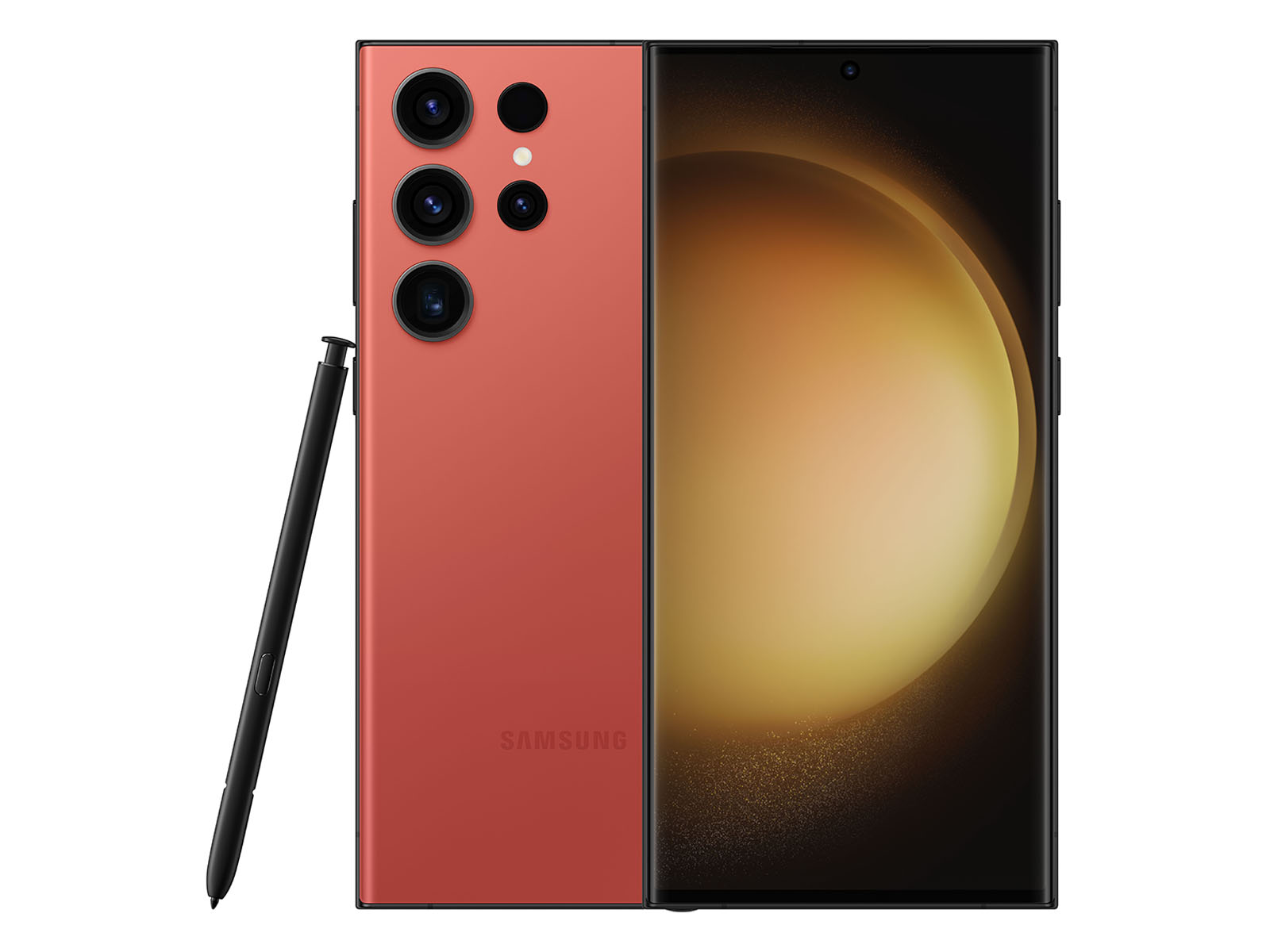
Consumer electronics are next in line for the solid-state revolution, though phones will take slightly longer to adopt pure solid-state cells than cars due to manufacturing costs. Right now, semi-solid state batteries are appearing in high-end wearables and premium smartphones, boosting energy density by roughly thirty percent without increasing thickness.
The biggest win for phones is thermal management. Without volatile liquids boiling under heavy gaming or video rendering loads, thermal throttling becomes a relic of the past. Your phone stays cooler, charges faster, and retains its peak battery health over five or six years instead of two.
EcoFlow Delta Pro Ultra

Home energy storage and portable power stations are adopting solid-state variants even faster than smartphones. When you have ten kilowatt-hours of electricity sitting in your garage or utility closet, the peace of mind of a non-flammable solid electrolyte is worth every penny of the current price premium.
Manufacturers are managing to build these cells on modified lithium-ion assembly lines, which is driving down production costs faster than industry analysts predicted. Drop us a comment below on whether you would pay a 20 percent hardware tax for a phone battery that never degrades.
How to Properly Evaluate and Maintain High-Density Battery Tech
What You Need Before Starting: Your current device, an official high-wattage USB-PD charger, a USB power meter, and battery health monitoring software.
- Step 1: Check your current device battery health via system settings (Settings > Battery > Battery Health on iOS/Android, or powercfg /batteryreport in Windows command prompt).
- Step 2: Upgrade your charging brick to a certified USB-PD 3.1 PPS (Programmable Power Supply) charger that matches your device's maximum wattage input without overheating.
- Step 3: Enable smart charging or adaptive protection modes in your operating system to limit maximum daily charge levels to 80 or 85 percent if you leave your device plugged in all day.
- Step 4: Avoid exposing your gear to extreme ambient temperatures below freezing or above 35 degrees Celsius, which stresses even advanced solid-state crystalline structures.
- Step 5: Monitor discharge cycles monthly using your device diagnostics to verify that your actual runtime matches manufacturer specifications and thermal output remains stable.
Troubleshooting: What If Something Goes Wrong?
PROBLEM 1: Device gets excessively hot during rapid charging sessions.
THE FIX: Disconnect the cable immediately, remove any thick protective phone cases that trap heat, and ensure you are using an OEM-certified charging brick and cable rather than a cheap gas station adapter.
PROBLEM 2: Battery percentage drops rapidly from 100% to 85% shortly after unplugging.
THE FIX: Perform a battery calibration cycle by draining the device until it shuts down completely, then charge it uninterrupted to 100% while powered off to reset the internal fuel gauge chip.
PROBLEM 3: Operating system reports incorrect health metrics after a major software update.
THE FIX: Clear system cache partition or run a diagnostic reboot (holding power and volume down keys for 15 seconds) to force the power management integrated circuit to re-poll cell voltage data.
Original step-by-step tech guide & analysis by KejaniTech. Tried this guide or ran into a question? Drop a comment below!


Comments
Post a Comment