Why the Rivian R2 Is Quietly Winning the Electric Vehicle Wars
Rivian's lower-cost SUV is surging past its older siblings and changing EV adoption math.
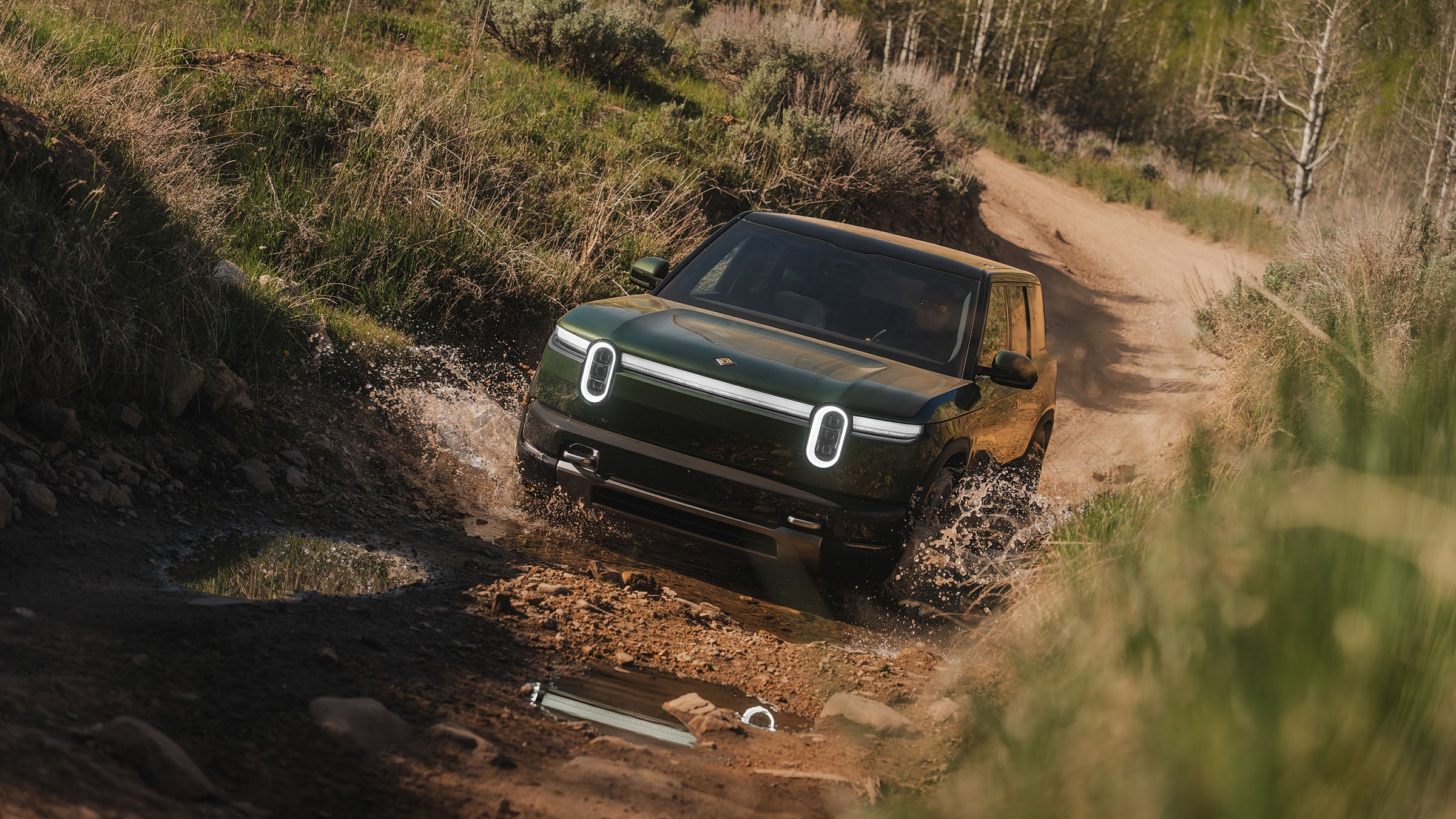
If you have been watching the electric vehicle market over the past couple of years, the narrative has mostly been one of doom and gloom. Legacy automakers are pumping the brakes on ambitious electrification timelines, and consumer sticker shock has been very real.
Amidst all that hesitation, Rivian just posted its Q3 2026 earnings report, and one vehicle is doing all the heavy lifting: the new R2 SUV, which has officially become the company's best-selling model by a massive margin.
Rivian R2
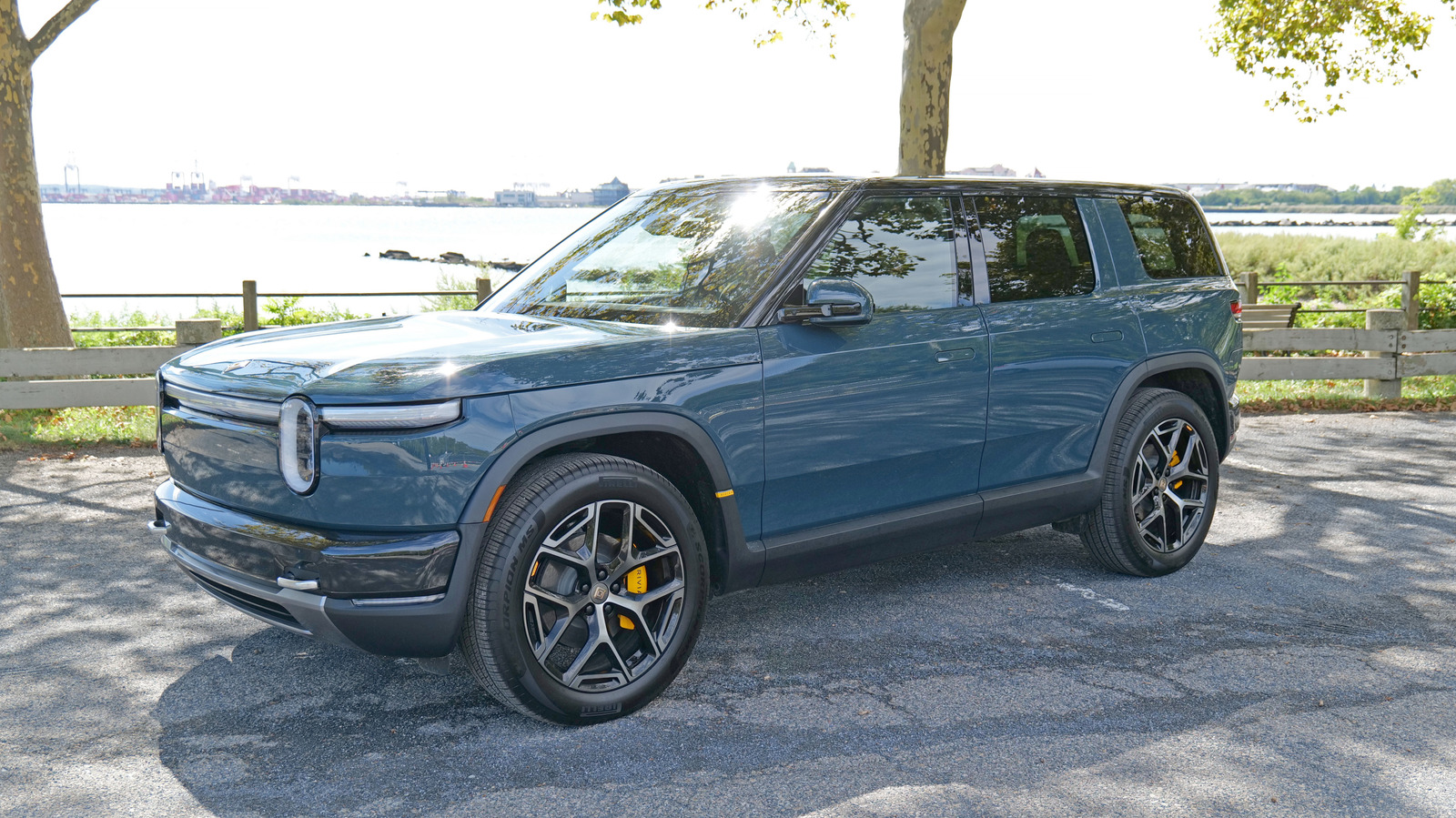
The R2 is the vehicle Rivian desperately needed to survive long-term. By shrinking the footprint of the original R1S while keeping the signature boxy aesthetic and utilitarian charm, they hit a pricing sweet spot that appeals to everyday buyers instead of just six-figure luxury early adopters.
Software and subscription services also pulled in $605 million, proving that modern drivers are willing to pay for continuous feature drops and connected ecosystem perks.
Rivian R1S

While the R1S paved the way and proved that an American startup could build an off-road-capable luxury EV that rivals European heavyweights, its price tag kept it out of reach for average households.
Now that production lines are pivoting heavily toward the R2 platform, factory efficiency is scaling up rapidly, lowering component costs across the board.
Rivian Wall Charger

Charging infrastructure remains a critical pillar of this transition. Rivian owners rely heavily on home charging solutions alongside the expanding North American Charging Standard network.
How are you feeling about the current generation of electric vehicles? Are you ready to make the jump, or are you sticking with hybrids for now? Let us know in the comments.
How to Plan Your Switch to an EV Like the Rivian R2
What You Need Before Starting: A garage or parking spot, a local utility company rate sheet, and a nearby EV charging app like PlugShare.
- Step 1: Evaluate Your Daily Mileage — Check your odometer and average weekly commutes to determine if a mid-size electric SUV fits your driving patterns.
- Step 2: Check Home Electrical Capacity — Inspect your home electrical panel to see if you have enough amperage to support a Level 2 240V charger.
- Step 3: Research Local Utility Incentives — Visit your power company's website to look for rebates on home charger installations or special overnight EV electricity rates.
- Step 4: Schedule a Test Drive — Book an appointment at a Rivian Space or local delivery hub to experience the vehicle controls and visibility in person.
- Step 5: Compare Financing and Tax Credits — Review current federal and state tax incentives to calculate the exact out-the-door purchase price.
Troubleshooting: What If Your Home Charging Setup Hits a Snag?
PROBLEM 1: Your electrical panel lacks the capacity for a 50-amp Level 2 charger.
THE FIX: Hire a licensed electrician to install a smart load-splitting device or upgrade your main panel service to 200 amps.
PROBLEM 2: Local public chargers are constantly occupied or out of service.
THE FIX: Use apps like PlugShare or A Better Routeplanner in advance to filter for working chargers with high reliability ratings.
PROBLEM 3: Insurance quotes for your new EV are unexpectedly high.
THE FIX: Shop around with multiple insurance providers who offer specific discounts for advanced driver assistance safety suites.
Original step-by-step tech guide & analysis by KejaniTech. Tried this guide or ran into a question? Drop a comment below!


Comments
Post a Comment