How to Size a Portable LiFePO4 Power Station for Home Blackouts
Master watt-hour math, pure sine-wave inverters, and solar panels to keep your fridge running when the grid dies.

Utility grids are getting crankier by the year, and relying on screeching gas generators belongs in the last decade. Modern portable power stations built on Lithium Iron Phosphate chemistry changed everything.
Today we are diving into the exact math required to size a backup system, understand inverter loads, and keep your critical household appliances humming during an extended blackout.
EcoFlow Delta 2

Lithium Iron Phosphate, or LiFePO4, is the absolute gold standard for backup batteries. Unlike older lithium-ion packs that degrade after 500 cycles, LFP chemistry easily clears 3,000 cycles before dropping to 80 percent capacity.
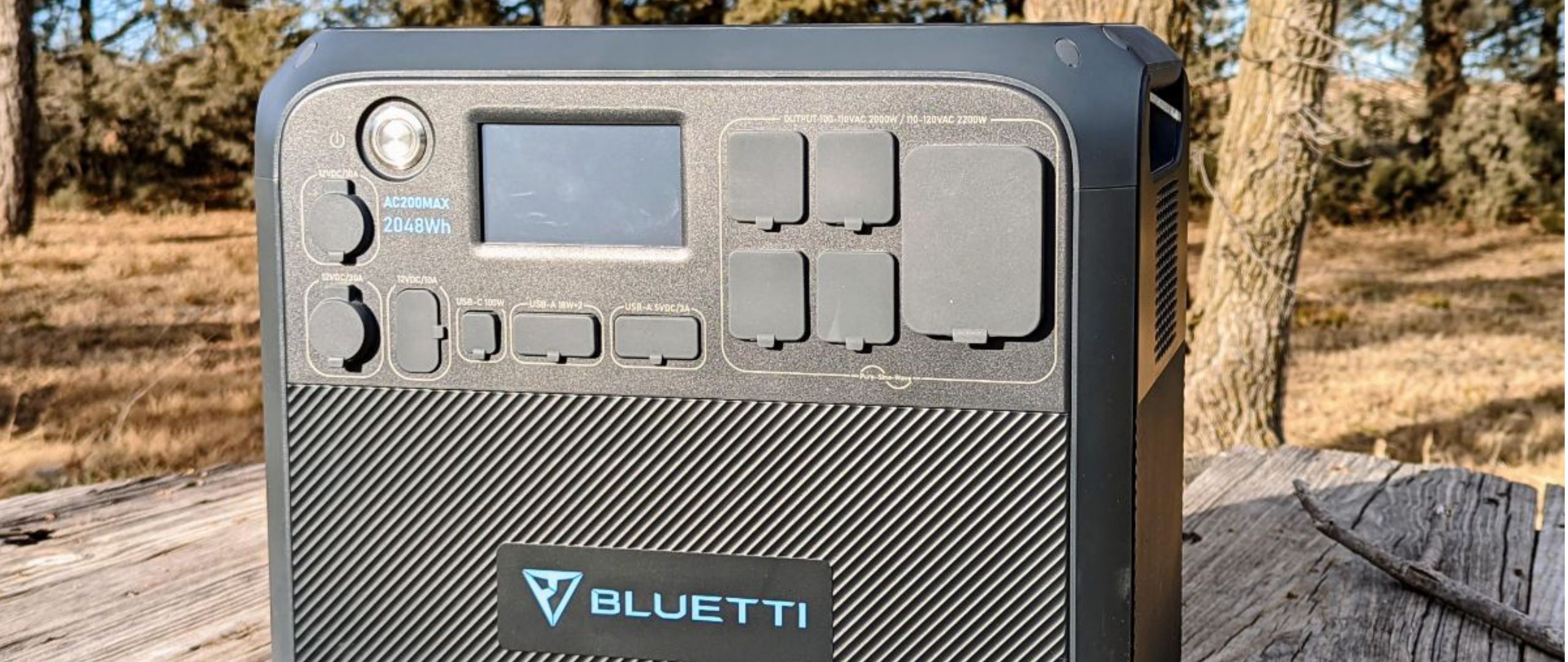
Units like the EcoFlow Delta 2 or Bluetti AC200P also feature pure sine-wave inverters, meaning the electrical output matches the clean AC power coming out of your wall sockets. This prevents sensitive electronics like OLED TVs and desktop power supplies from frying.
Bluetti AC200MAX
When calculating your needs, you have to separate watt-hours from running watts. Watt-hours (Wh) measure the total size of the fuel tank, while running watts measure how thirsty your appliance is at any given second.
A standard kitchen refrigerator might only draw 150 watts on average, but its compressor startup surge can spike to 1,200 watts for a split second. Your power station inverter must handle that surge without tripping its overload protection.
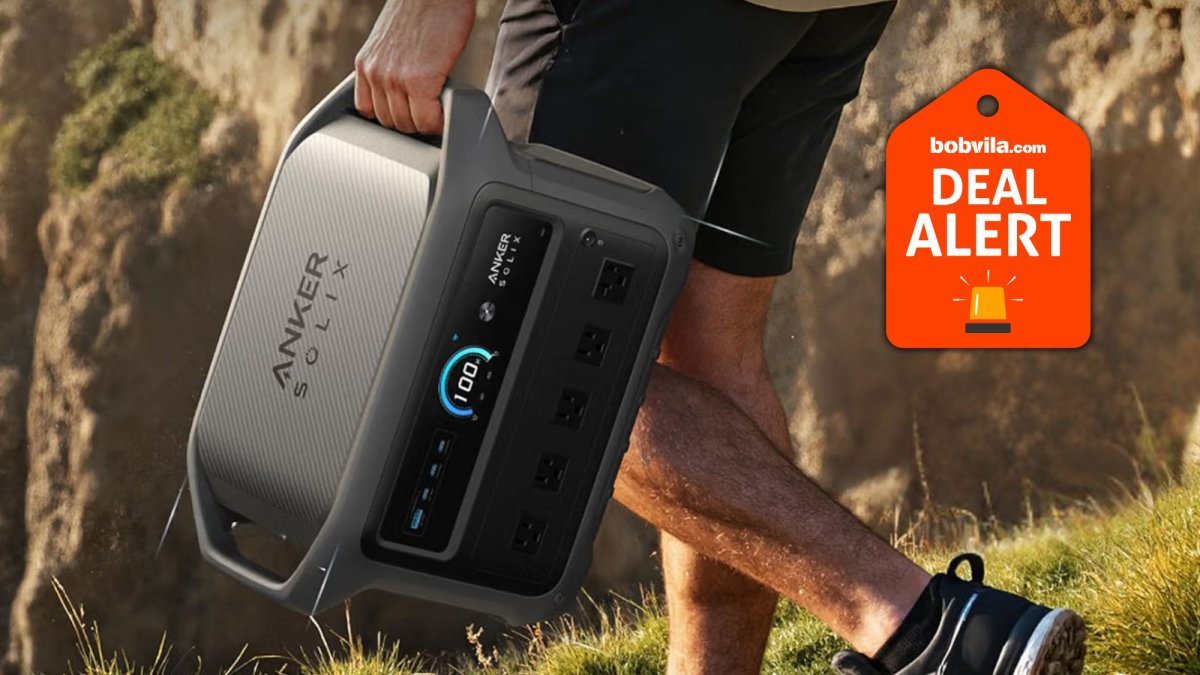
Anker Solix PS200 Solar Panel
If the grid goes down for a week, battery capacity alone will eventually run dry. That is where Maximum Power Point Tracking solar charge controllers come into play.
By pairing your power station with 400 watts of portable monocrystalline solar panels, you can harvest enough energy during daylight hours to indefinitely run a refrigerator, charge phones, and power LED lighting.
How to Calculate Your Load and Set Up Your Backup Power System
What You Need Before Starting: EcoFlow Delta 2 or Bluetti power station, Kill A Watt power meter, 200W to 400W portable solar panels, and extension cords.
- Step 1: Audit your critical loads by plugging appliances into a Kill A Watt meter to record actual running wattage and startup surges.
- Step 2: Calculate your total daily watt-hours by multiplying each appliance's running wattage by the number of hours you plan to use it per day.
- Step 3: Select a power station whose capacity exceeds your daily watt-hour total by at least 30 percent to account for inverter conversion loss.
- Step 4: Position your solar panels outdoors in direct, unshaded sunlight, angled properly toward the sun to maximize solar charge controller output.
- Step 5: Connect the solar panels to the DC input port of the power station and verify the LCD screen shows a positive charging wattage.
Troubleshooting: What If Something Goes Wrong?
PROBLEM 1: The power station instantly shuts off with an overload error when the refrigerator turns on.
THE FIX: Your fridge's startup surge exceeds the maximum surge rating of the inverter. Plug the power station directly into a lower-draw appliance or use a soft-starter on the refrigerator compressor.
PROBLEM 2: Solar panels are producing almost zero charging wattage on a bright day.
THE FIX: Check the solar panel cable connections and ensure you are not exceeding the maximum voltage or amperage limits specified on the power station DC input port label.
PROBLEM 3: The unit drains much faster than expected while powering a CPAP machine or laptop.
THE FIX: Turn off the AC inverter button when using DC power sources, as the internal inverter draws a constant 10 to 30 watts just staying active even if nothing plugged into the AC outlets is drawing power.
Original step-by-step tech guide & analysis by KejaniTech. Tried this guide or ran into a question? Drop a comment below!


Comments
Post a Comment